
Freight Girlz • Dispatch Process Guide

Last updated:

How Truck Dispatch Services Work for Owner Operators and Fleets

Learn how professional dispatchers help carriers source freight, review lanes, negotiate rates, communicate with brokers, manage paperwork, and keep trucks moving with a more organized dispatch process.

This guide explains what happens behind the scenes at Freight Girlz, from carrier onboarding and broker setup to load planning, risk checks, rate negotiation, and day-to-day dispatch support.

No Forced Dispatch U.S.-Based Team Broker Setup Support Carrier Risk Guardrails

Average rating 5 out of 5 from 36 plus owner operators. Rated 5 Stars by 36+ Owner-Operators Read Reviews

SEO note: This page now supports the Freight Girlz homepage by explaining the dispatch process in depth instead of competing directly with the homepage for the same primary commercial keyword.
The Freight Girlz Process

What Happens After a Carrier Starts Dispatch Support?

A good dispatch process is more than finding a load. It starts with understanding the truck, the driver, the equipment, the lanes, the carrier’s rate targets, and the paperwork required to get paid without avoidable delays.

Carrier Profile and Lane Strategy

Freight Girlz reviews your equipment type, preferred markets, home-time needs, operating costs, and rate-per-mile expectations before building a dispatch strategy around your business.

Broker Setup and Document Readiness

Carrier packets, insurance certificates, W-9s, NOAs, and broker setup details are organized early so your truck is not delayed when a strong load opportunity appears.

Load Search With Risk Awareness

Load options are reviewed for lane fit, rate potential, pickup and delivery timing, broker details, payment risk, and operational red flags before they are presented to the carrier.

Rate Negotiation and Load Approval

The dispatcher negotiates from the carrier side, reviews accessorial expectations, confirms appointment details, and sends the load option to the carrier for approval before booking.

Dispatch, Tracking, and Issue Handling

After the load is booked, dispatch support continues through check calls, broker updates, appointment coordination, problem solving, and paperwork collection after delivery.
Search Intent Clarified

What Do Carriers Usually Mean by a Freight Dispatch Service?

Many owner-operators use the phrases freight dispatch service, truck dispatch service, and dispatch support interchangeably. In practice, they are usually looking for help finding freight, reviewing load details, communicating with brokers, negotiating rates, and keeping paperwork organized.

On this page, Freight Girlz explains the dispatch workflow behind those terms. For the main service overview, visit the Freight Girlz homepage. For equipment-specific support, review our pages for dry van, reefer, flatbed, and hot shot carriers.

Finding freight that fits the truck, lane, and schedule
Reviewing broker details, timing, and payment expectations
Negotiating rate, accessorials, and appointment clarity
Keeping packets, rate confirmations, PODs, and billing documents organized

Why this matters: clearer search intent helps this page explain the dispatch process while the homepage remains the primary commercial page for carriers ready to hire Freight Girlz.

Dispatch Workflow

What a Professional Dispatch Process Actually Does

A strong dispatch workflow manages the full load lifecycle: finding freight, reviewing broker details, negotiating terms, confirming appointments, organizing documents, handling updates, and planning the next reload.

Dispatch support should protect your time, hours, and decision-making

  • Load planning based on equipment, lanes, HOS, home time, and rate goals.
  • Broker communication before the load is committed.
  • Rate and accessorial review so terms are clearer up front.
  • Carrier setup and documents organized before delays happen.
  • Ongoing updates when appointments, delays, or load issues change.

Owner-Operator Workflow

Built around one-truck decision-making, rate goals, and driver availability.

Fleet Workflow

Organized communication, document handling, and load planning across multiple trucks.

Regional & OTR Planning

Lane strategy that considers reload markets, empty miles, resets, and appointment timing.

Document Flow

Packets, RCs, BOLs, PODs, and billing paperwork organized for cleaner payment.

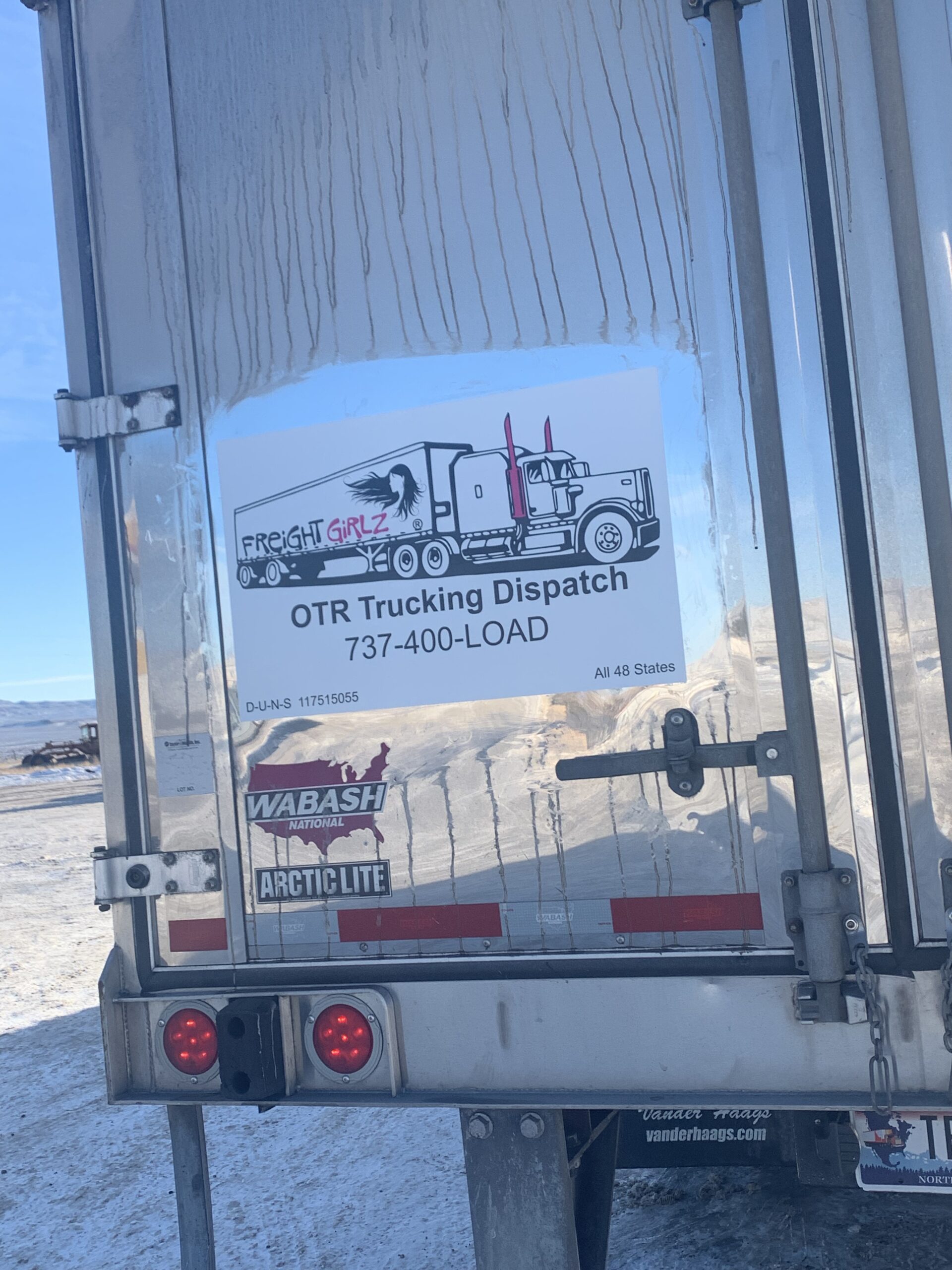
Freight Girlz dispatch decal on the rear door of a 53 foot reefer trailer
Freight Girlz on the road: our dispatch brand seen on the back door of a 53-foot reefer trailer operating nationwide.

Common goals carriers want dispatch help with

  • Reduce empty miles and improve effective RPM.
  • Spend less time hunting load boards while driving.
  • Improve appointment discipline and communication.
  • Track detention, layover, and TONU opportunities when eligible.
  • Keep freight aligned to carrier preferences with no forced dispatch.
Operational Tasks

What Dispatchers Handle During the Load Lifecycle

Load Search

Freight options reviewed for lane fit, timing, equipment, and rate potential.

Rate Negotiation

Counteroffers, accessorial expectations, and clearer terms before booking. Rate negotiation guide.

Broker Setup

Packets, COIs, W-9s, NOAs, and setup requirements prepared before delays happen.

Rate Confirmation Review

Pickup, delivery, commodity, weight, appointment, and payment details checked before dispatch.

Risk Checks

Fraud-aware review to help reduce double-brokering and payment issues. Double-brokering guide.

Lane Planning

Weekly planning around fuel, reload markets, driver hours, and home-time goals.

Check Calls

Broker updates, appointment communication, delay handling, and exception management.

Paperwork Follow-Up

BOLs, PODs, lumper receipts, accessorial notes, and billing documents organized after delivery.

Pricing Reference

Freight Girlz Dispatch Pricing

Pricing depends on equipment type and authority age. Carriers approve freight before booking, and fees are based on the gross linehaul amount for each booked load.

Equipment TypeDOT Authority AgeDispatch FeeNotes
Power OnlyAny8%Applies to Power Only loads
Hot Shot6+ months8%Class A hot shot lanes
Dry Van / Reefer / Flatbed / Step DeckUnder 6 months7%New authority tier
Dry Van / Reefer / Flatbed / Step Deck6+ months6%Standard tier
Included: load search, negotiation, broker setup support, dispatch details, check calls, and document organization.
Carrier control: Freight Girlz does not force dispatch. The carrier approves freight before booking.
Owner-Operator Support

How Dispatch Support Changes the Day for an Owner-Operator

Dispatching Yourself

  • Searching load boards while trying to drive or reset.
  • Calling brokers during pickup, delivery, or maintenance issues.
  • Negotiating without current lane context or enough time.
  • Tracking paperwork, rate confirmations, and follow-up alone.

Using Dispatch Support

  • Load options are reviewed and sent for approval.
  • Broker communication and setup details are handled earlier.
  • Rate, accessorials, and appointment expectations are clarified.
  • Documents stay more organized from booking through billing.
Fleet & New Authority Support

Dispatch Workflows for Fleets and New Authorities

Multi-truck operations and newer authorities need repeatable communication, clean broker setup, organized documentation, and a process that keeps drivers, brokers, and office support aligned.

For Fleets

Structured updates, load planning, and document flow across drivers, trucks, and time zones.

For New Authority

Clear setup packets, lane preferences, broker communication, and a process built around execution.

For Specialized Equipment

Support for Dry Van, Reefer, Flatbed, Step Deck, Conestoga, RGN, Power Only, and Class A Hot Shot operations.

Carrier Profitability

RPM and Revenue Factors Dispatchers Watch

Lane Supply and Demand

Seasonal freight, market imbalance, produce, ports, and regional capacity.

Deadhead Control

Shorter empty moves can improve effective RPM even when the posted rate looks similar.

Accessorials

Detention, layover, TONU, lumper terms, and appointment delays can change the true value of a load.

Broker Risk

Payment reliability, communication quality, and fraud signals matter before a carrier commits.

Software & Tools

How TMS Tools Support the Dispatch Process

Load Management

Loads, documents, appointments, and dispatch notes kept in one workflow.

Rate Review

Lane history and market context help shape stronger load decisions.

Document Handling

Packets, RCs, BOLs, PODs, and billing files organized for cleaner settlement.

Broker Risk Checks

Mismatch signals and broker-risk indicators reviewed before booking when available.

Nationwide Coverage

Dispatch Support Across the Lower 48 States

Freight Girlz supports carriers operating across the 48 contiguous U.S. states. Planning is remote, but freight decisions are built around actual lanes, reload markets, equipment type, appointment realities, and weekly operating goals.

High-volume freight markets

Support commonly involves corridors such as Texas, California, Florida, Georgia, Illinois, the Midwest, the Southeast, and major industrial lanes.

Regional strategy

Deadhead, fuel, detention risk, weekend resets, and reload timing change by region. Dispatch planning should account for those differences.

Equipment fit

Dry Van, Reefer, Flatbed, Step Deck, Conestoga, RGN, Power Only, and Hot Shot freight all require different load-selection logic. View equipment support.

Choosing a Dispatcher

How to Evaluate a Dispatch Company Before You Sign Up

Carriers should compare the process behind the service, not just the sales pitch. The right partner should explain how loads are selected, how brokers are reviewed, how paperwork is handled, and how the carrier keeps final control.

Ask about process

Load planning, negotiation standards, paperwork flow, update cadence, and exception handling should be clear.

Confirm no forced dispatch

The carrier should approve loads before booking and should not be pressured into freight that does not fit.

Look for risk awareness

Broker checks, fraud signals, payment concerns, and documentation quality should be part of the workflow.

FAQ

Dispatch Process FAQs

What equipment does Freight Girlz support?

Dry Van, Reefer, Flatbed, Step Deck, Conestoga, RGN, Power Only, and Class A Hot Shot. Freight Girlz does not dispatch box trucks, sprinter vans, or cargo vans.

How is pricing structured?

Pricing is percentage-based on each load’s gross, generally 6–8% depending on equipment type and authority age. Carriers approve loads before booking.

Are Freight Girlz dispatchers U.S.-based?

Yes. Freight Girlz uses a U.S.-based dispatch team and operates with a carrier-focused workflow.

What happens after onboarding?

Freight Girlz reviews your equipment, lanes, preferences, documents, broker setup needs, and operating goals before building a dispatch workflow around your truck or fleet.

Ready to Review Your Dispatch Setup?

Start onboarding, compare pricing, or contact Freight Girlz to talk through your equipment, lanes, and operating goals.

🎥 Truck Dispatch Services Overview for Owner-Operators and Fleets

Watch this quick overview to see how truck dispatch services from Freight Girlz help owner-operators and fleets with load booking, rate negotiation, paperwork handling, and day-to-day dispatch support.

Next steps & resources

Where do you want to go next?

Ready to move forward with truck dispatch services? Start onboarding, explore your equipment type, or use our tools to improve RPM and stay compliant.